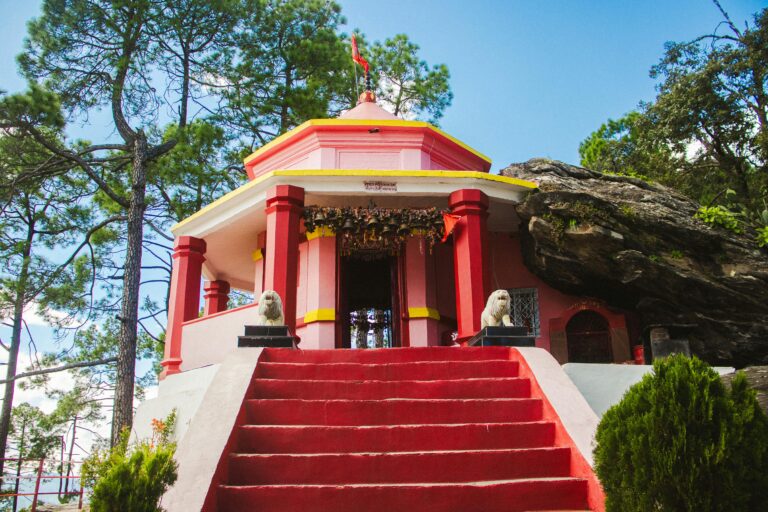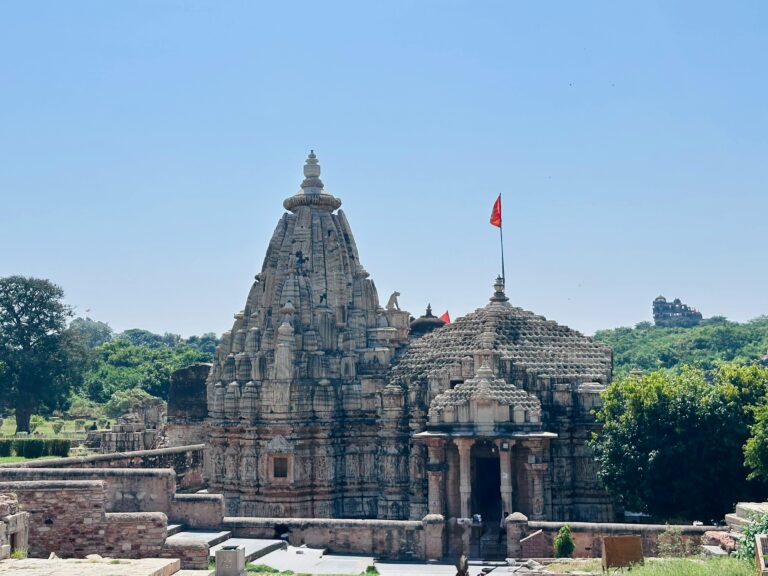

For millions of Tamil devotees around the world, a pilgrimage to the Arupadai Veedu — the six sacred abodes of Lord Murugan — is the ultimate spiritual journey. Spread across Tamil Nadu and one location in neighbouring Andhra Pradesh, these six temples are among the most revered shrines in all of South India. Here is your complete guide to planning the Arupadai Veedu pilgrimage.
What is Arupadai Veedu?
Arupadai Veedu means six battle camps or six sacred abodes in Tamil. According to Hindu mythology, Lord Murugan — the son of Lord Shiva and Goddess Parvati — established these six locations as his divine residences after his great battles. Each temple has its own unique legend, significance, and presiding deity form. Together they form one of the most important pilgrimage circuits in South India.
The Six Sacred Temples
1. Thiruthani Murugan Temple — Tiruttani, Tamil Nadu
Thiruthani is the first stop in the traditional Arupadai Veedu pilgrimage sequence. Located about 84 kilometres from Chennai, this hilltop temple is where Lord Murugan is believed to have retreated after his victory over the demon Surapadman to seek peace and enlightenment. The temple sits atop a hill with 365 steps — one for each day of the year. Lord Murugan here is worshipped as Subramanya in a calm, post-battle form. The temple is especially vibrant during the Skanda Sashti festival in October and November.
2. Thiruparamkundram Murugan Temple — Madurai, Tamil Nadu
Thiruparamkundram is one of the oldest Murugan temples in Tamil Nadu, carved entirely out of a single rock mountain. Located just 8 kilometres from Madurai, this ancient temple is believed to be where Lord Murugan married Devasena (Deivayanai), the daughter of Lord Indra. The cave temple complex dates back over 2,000 years and features stunning Dravidian architecture. The presiding deity here is worshipped as Subramanya Swami. The temple is also home to shrines of Lord Shiva, Lord Vishnu, and Lord Brahma making it uniquely sacred to all Hindus.
3. Thiruchendur Murugan Temple — Thoothukudi, Tamil Nadu
Thiruchendur holds a unique distinction among the Arupadai Veedu — it is the only one of the six temples located on the seashore. Situated on the southeastern coast of Tamil Nadu near Thoothukudi, this majestic temple rises dramatically above the Bay of Bengal. This is the site where Lord Murugan is believed to have fought and defeated the demon Surapadman. The presiding deity is Senthilandavar worshipped in his victorious warrior form. The sound of ocean waves combined with the temple bells and the scent of sea salt creates a deeply moving spiritual experience. The Skanda Sashti festival celebrated here annually draws hundreds of thousands of devotees.
4. Palani Murugan Temple — Palani, Dindigul District, Tamil Nadu
Palani is arguably the most famous of all the Arupadai Veedu temples and one of the most visited pilgrimage sites in all of South India. The temple is located atop the Sivagiri hill in the Palani hills and can be reached by a steep climb of 693 steps, by motorised winch, or by a rope car. The legend of Palani is particularly poignant — when Lord Murugan felt slighted by his parents during a divine competition, he renounced all worldly attachments and came to Palani in a state of pure renunciation. The deity here — Dandayudhapani — is worshipped as an ascetic holding a staff, a form that is deeply beloved by millions of devotees. The famous Kavadi festival and Thaipusam celebrations at Palani draw lakhs of pilgrims from across the world.
5. Swamimalai Murugan Temple — Kumbakonam, Tamil Nadu
Swamimalai is located just 6 kilometres from the temple town of Kumbakonam in the Cauvery Delta region. The name Swamimalai means the hill of the guru and this temple commemorates the extraordinary event where Lord Murugan, as a young child, taught the meaning of the Pranava Mantra (Om) to his own father Lord Shiva — thereby becoming the guru of his own parent. The presiding deity Swaminatha is revered as the supreme teacher and devotees seek his blessings for wisdom, knowledge, and spiritual guidance. The temple is built on an artificial hillock with 60 steps representing the 60-year Tamil calendar cycle.
6. Pazhamudircholai Murugan Temple — Madurai, Tamil Nadu
The sixth and final abode of Lord Murugan is Pazhamudircholai, a forest temple nestled in the lush green Pazhamudircholai hills near Madurai. Unlike the other five temples this one is set deep within a natural forest, giving it a distinctly different spiritual atmosphere. The presiding deity here is worshipped as Subramanya surrounded by the bounty of nature. The temple is closely associated with the Sangam age literature and is referenced extensively in ancient Tamil poetry. The natural surroundings, the cool mountain air, and the forest sounds create an atmosphere of deep peace and divine presence.
How to Plan the Pilgrimage
Sequence of Visit
The traditional sequence for the Arupadai Veedu pilgrimage is: Thiruthani → Thiruparamkundram → Thiruchendur → Palani → Swamimalai → Pazhamudircholai. However many devotees complete the pilgrimage in a different order based on their starting location and convenience.
Duration
Completing all six temples comfortably requires 5 to 7 days. A rushed circuit can be done in 3 to 4 days but this does not allow adequate time for darshan and temple rituals at each location.
Best Time to Visit
The Arupadai Veedu pilgrimage can be undertaken throughout the year. However the most auspicious times are during Skanda Sashti (October-November), Thaipusam (January-February), Panguni Uttaram (March-April), and Karthigai Deepam (November-December). Weekdays are significantly less crowded than weekends.
Starting Points
Chennai and Madurai are the most convenient starting points for the Arupadai Veedu pilgrimage. Chennai is closest to Thiruthani while Madurai is closest to Thiruparamkundram and Pazhamudircholai. Coimbatore is convenient for Palani.
Practical Tips for Pilgrims
- Wear traditional attire — dhoti for men and saree or churidar for women is preferred at all six temples
- Remove footwear before entering temple premises and carry a bag for your shoes
- Book accommodation well in advance especially during festival seasons when all towns become extremely crowded
- Carry a copy of all booking confirmations and identification documents
- Stay hydrated especially at hilltop temples like Palani and Thiruthani where the climb can be physically demanding
- Elderly pilgrims and those with mobility challenges should opt for winch or rope car facilities wherever available
- Visit temple websites or call ahead to check darshan timings as they vary by day and festival period
- The inner sanctum at most temples has strict photography restrictions — always check before taking photographs
Plan Your Arupadai Veedu Pilgrimage with Travzo
Travzo Holidays specialises in devotional tour packages across Tamil Nadu and South India. Our Arupadai Veedu packages are carefully designed to cover all six temples comfortably with dedicated transport, vetted accommodation near each temple, and an experienced guide who understands the significance and rituals of each shrine.
We offer packages for individuals, couples, families, and senior citizen groups with special arrangements for those with mobility requirements. Our devotional tour managers are themselves devout Murugan devotees who bring genuine care and deep knowledge to every pilgrimage.
Contact Travzo Holidays today to book your Arupadai Veedu pilgrimage package and experience the divine grace of Lord Murugan at all six sacred abodes.
Vel Vel Muruga! Vetri Vel Muruga!